Introduction
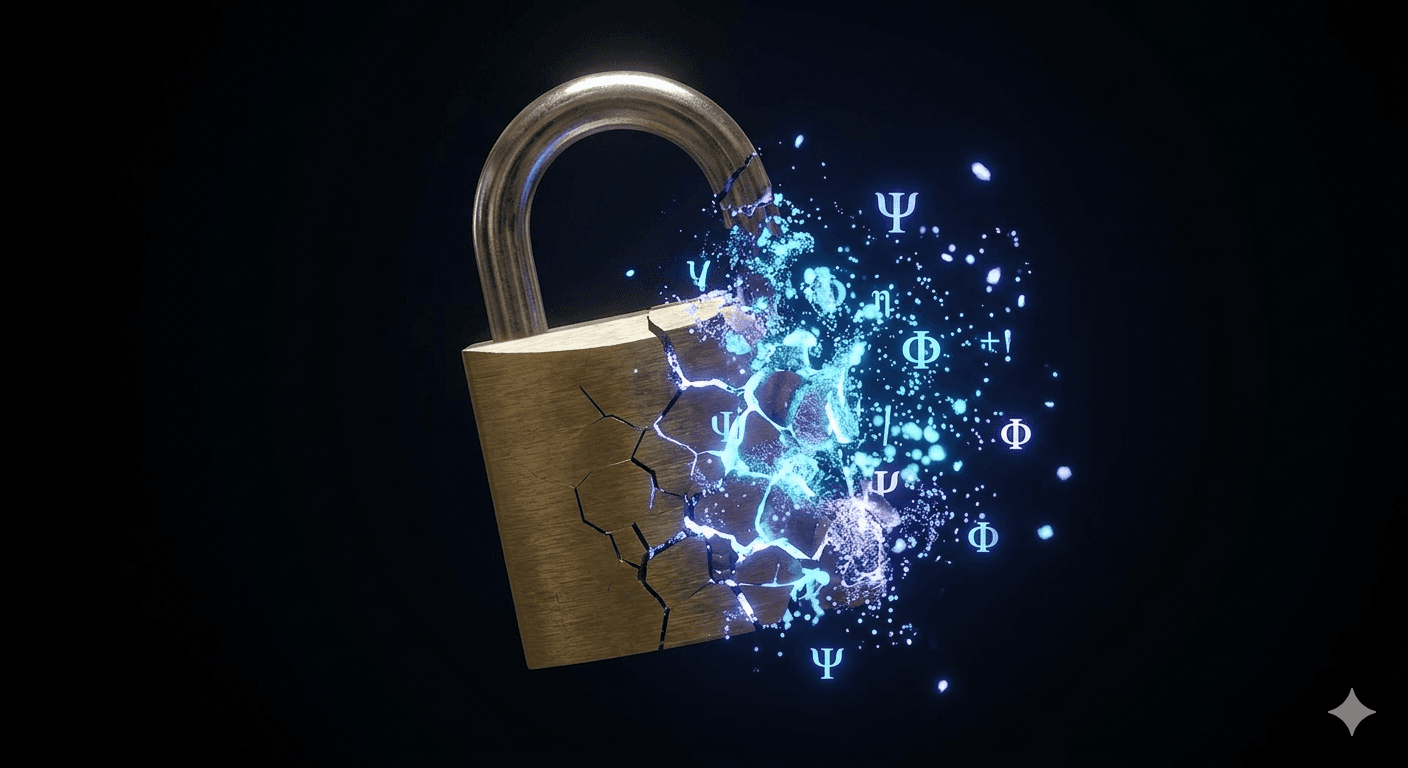
Cyber threats are no longer something far away or rare, they now show up in everyday life in ways many people do not expect, from stolen passwords to hacked bank accounts, where one small mistake can expose important personal or business information.
This post is written to help you understand what cybersecurity really means, why it matters in today’s digital space, and how it works, while also showing you simple ways you can protect your data and stay safe online without feeling overwhelmed.
Key Takeaways
Ø Cybersecurity is the protection of digital systems, networks, and data from cyber threats and unauthorized access
Ø It is important because nearly all modern activities depend on digital platforms, making everyone a potential target
Ø Weak security can lead to serious risks such as data breaches, financial loss, identity theft, and reputational damage
Ø Cybersecurity is made up of different types including network, application, information, cloud, endpoint, operational security, and disaster recovery
Ø Each type plays a specific role, but they all work together to create a strong defense system
Ø Staying safe online requires simple habits like strong passwords, two-factor authentication, caution with links, and regular updates
Ø Good cybersecurity is built on awareness, prevention, and consistent practice

What Cybersecurity is:
Cybersecurity is the practice of protecting computers, servers, networks, and data from unauthorized access or attacks. It focuses on keeping digital information secure and ensuring that systems function as intended. As more aspects of daily life move online, protecting this digital environment has become essential for individuals, businesses, and governments.
At a broader level, cybersecurity relies on a combination of technology, processes, and people. Tools such as firewalls, encryption, and antivirus software help prevent and detect threats. Policies and best practices guide how data is handled and protected. At the same time, cybersecurity professionals design and manage systems that can anticipate and respond to evolving risks.
Why Is Cybersecurity Important?
Cybersecurity is important because almost every part of modern life now depends on digital systems, from online banking and social media to hospital records and national security, where data is constantly being stored, shared, and targeted by attackers looking for weak points.
Without strong protection, these systems become vulnerable to cyberattacks that can lead to data breaches, financial loss, identity theft, and serious damage to an organization’s reputation, which in many cases can take years to rebuild.
For businesses, a single breach can lead to heavy financial loss and loss of customer trust, for governments it can pose risks to national security, and for individuals, something as simple as a stolen password can quickly disrupt daily life and expose private information.
As remote work, cloud computing, and artificial intelligence continue to grow, cybercrime is also increasing at a fast pace, making cybersecurity more important and urgent than ever before.
Types of Cybersecurity
Cybersecurity is not limited to one approach, it covers several areas that work together to protect systems, data, and users from different kinds of threats. Cybersecurity types include the following:
Network Security: This focuses on protecting computer networks from unauthorized access and attacks, ensuring that data moving across systems remains secure.
Application Security: This is concerned with securing software and applications by identifying and fixing vulnerabilities that attackers may exploit.
Information Security: It focuses on protecting data itself, whether it is stored or in transit, making sure it remains confidential and accurate.
Cloud Security: This also deals with protecting data and systems stored on cloud platforms, especially as more organizations rely on remote storage and services.
Endpoint Security: This protects devices such as laptops, smartphones, and tablets, which often serve as entry points for cyber threats.
Operational Security: This one involves the processes and policies that guide how data is accessed, handled, and protected within an organization.
Disaster Recovery and Business Continuity: This ensures that systems can recover quickly and continue operations after a cyberattack or system failure.
Together, these types form a complete cybersecurity approach that helps prevent attacks, detect threats, and respond effectively when issues arise.

Step-by-step guide on How to protect your data and stay safe
Protecting your data and staying safe online requires simple but consistent actions, because most cyber threats take advantage of small mistakes or weak habits. You do not need to be an expert, but you need to be intentional about how you use digital platforms and handle your information.
Use strong and unique passwords by combining letters, numbers, and symbols, and avoid using the same password across multiple accounts, because one breach can expose everything.
Enable two-factor authentication (2FA) wherever possible, as it adds an extra layer of security beyond just your password.
Be careful with links and emails by avoiding messages from unknown sources or anything that looks suspicious, since phishing attacks are one of the most common ways hackers gain access.
Keep your software and devices updated because updates often fix security vulnerabilities that attackers look for.
Avoid using public Wi-Fi for sensitive activities such as banking or logging into important accounts, or use a secure connection like a VPN if necessary.
Limit the information you share online especially on social media, as too much personal information can make you an easy target.
Install trusted security tools such as antivirus software to help detect and block threats.
By following these simple steps, you reduce your risk and take control of your digital safety, making it harder for attackers to gain access to your data.
Conclusion
Cybersecurity is no longer optional, it is a basic part of living and working in a digital world where information is constantly being created, shared, and stored. As cyber threats continue to grow and evolve, staying informed and taking simple protective steps becomes necessary for everyone, not just experts.
Understanding what cybersecurity is, why it matters, and the different ways it works helps you make better decisions about your digital safety. More importantly, building good habits such as using strong passwords, staying alert online, and protecting your personal information can go a long way in reducing risks.
In the end, staying safe online is not about fear, it is about awareness and consistent action, because the more careful you are, the more secure your digital life will be.

Call to Action
If you are ready to take your digital safety seriously, now is the time to start building the right knowledge and habits. Cybersecurity is changing fast, and staying ahead means learning, practicing, and applying the right principles consistently.
At Elitechub, we are committed to helping you understand cybersecurity in a simple and practical way, so you can protect yourself, your data, and your future with confidence.
Take the next step today, stay informed, stay secure, and continue learning with Elitechub.
For More Enquiry: