The Truth About Phishing
In today’s digital world, emails, SMS, and online platforms are part of our daily life in Nigeria.Phishing is an online theft that aim to trick victim into reveal their personal information
Cyber criminals are becoming more advanced, and many Nigerians fall victim to these tricks every day.
Understanding how to identify phishing attacks and protect yourself online is no longer optional—it is essential.
Experience of a phishing attack
I was sleeping when I received a call asking if I had ordered an Opay physical card. I said no. They then told me I was eligible for a “free Opay card” and that it would be delivered to me.
They asked for my phone number and address, which I provided.
Shortly after, they said I would receive a verification code. I received it and read it out to them. They said it didn’t work and sent another one. I also shared that second code.
They thanked me and ended the call.
I went back to sleep.
When I woke up, my account was empty.
This is how phishing works.
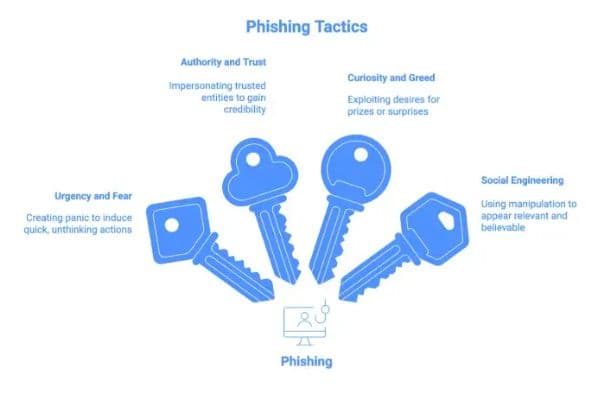
Scammers don’t always hack systems
they manipulate people. They create urgency, offer fake rewards, and trick you into sharing sensitive information like OTPs (codes).
Awareness
- Never share OTP codes with anyone
- “Free gifts” and urgent calls are common scam tactics
- Once a code is shared, your account can be accessed immediately
Stay alert. One small mistake can lead to total loss.
How to Recognize a Phishing Attack (Inbox Story)
I opened my email and saw a message sitting quietly in my inbox:
“Urgent: Verify Your Account Immediately”
Something felt off, but I clicked anyway.
The email said I needed to confirm my details to avoid “account suspension.” There was a link attached.
First red flag: the message had no clear context. I wasn’t told why I was being contacted or which service it was about.
I kept reading.
The sender’s name looked real, but the email address was strange—slightly misspelled. That was my second warning sign.
Then I noticed the file they attached (instead of proper instructions). It was named something like “update_final_final.doc”. That didn’t look professional at all.
Out of curiosity, I went over the link. The website address didn’t match the official company site. It looked fake.
At that moment, everything made sense.
Phishing doesn’t always look dangerous. It looks normal—but slightly “off.”
Here’s what gave it away:
No clear context in the message
Suspicious sender details
Fake-looking website link
Too much urgency without explanation
I didn’t click again.
Because in phishing, the goal is simple: rush you into a mistake before you notice the signs.
Anti Phishing tools to use
Mx Tool box .com
Where to report phishing attempts in Nigeria
Report phishing attempts in Nigeria to the Nigeria Police Force National Cybercrime Center (NPF-NCCC) via their portal at incb.npf.gov.ng or by calling +2349168343711. Also, report to the Economic and Financial Crimes Commission (EFCC) at info@efcc.gov.ng and use the Scamwatch Nigeria platform.