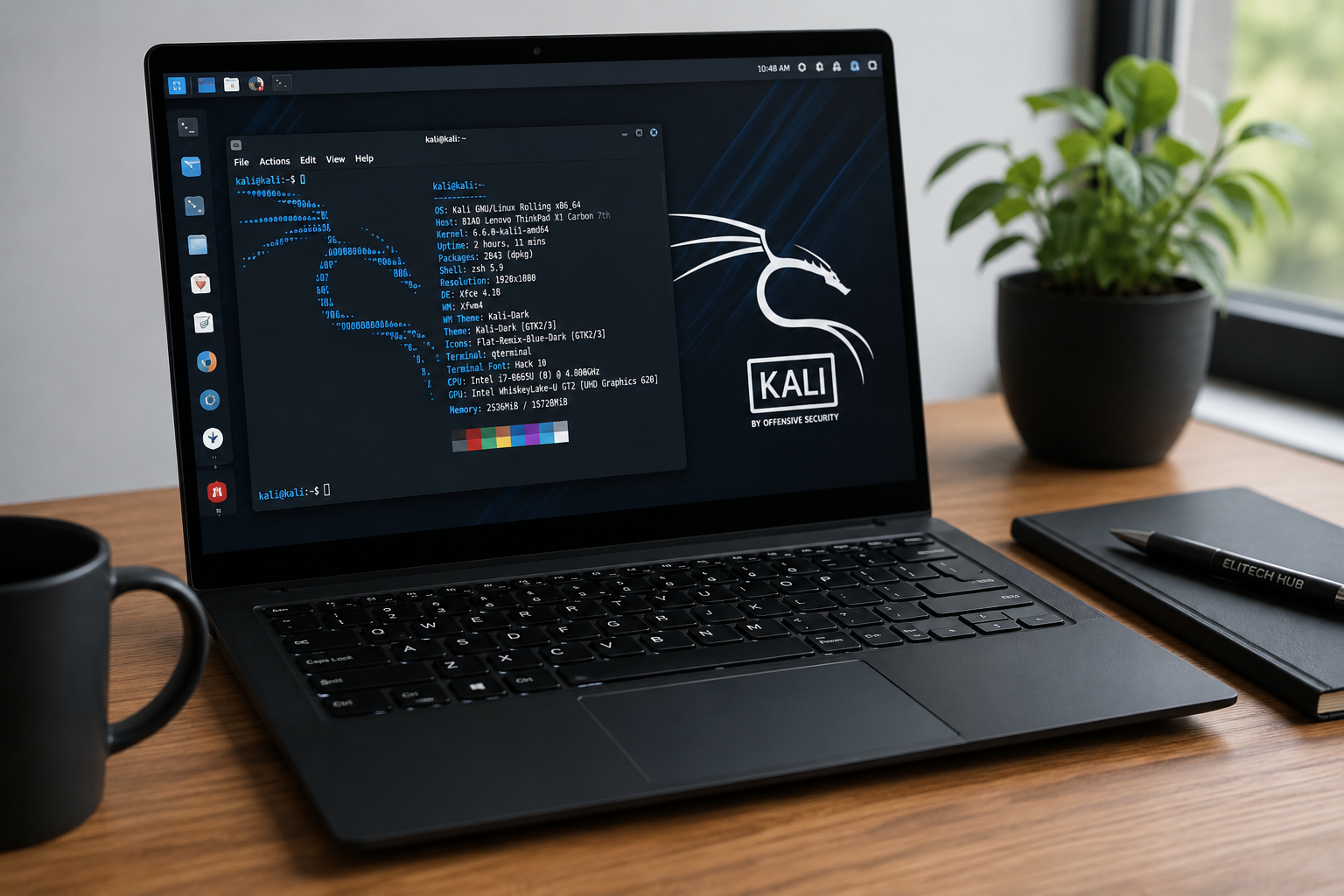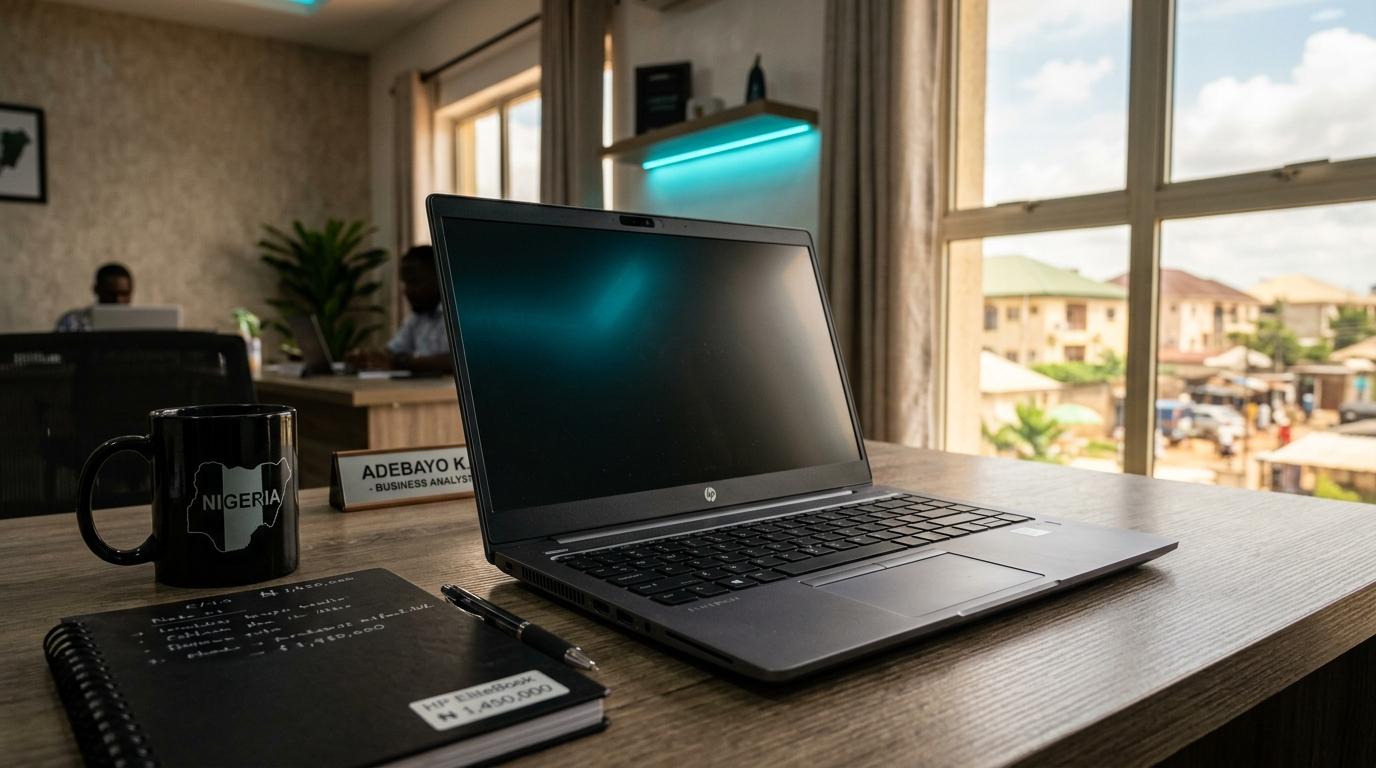
₦300,000 is the number I hear most often from students at Elitech Hub. Not ₦150K, not ₦1 million — ₦300K is where most people's real, saved-up budget actually sits when they decide to take cybersecurity seriously.
The good news: it's enough. You won't be running a five-VM Active Directory lab comfortably, but you'll have everything you need to build a genuine foundation — Linux, networking, Python, and the fundamentals that every serious security career is built on.
The bad news: this is also the price range where the most misleading listings live. A brand-new laptop under ₦300K almost always means a weak, low-generation processor wrapped in shiny new plastic. A UK-used business laptop, on the other hand, can hand you far more capability for the same money — if you know what you're looking at.
What ₦300,000 should actually buy you
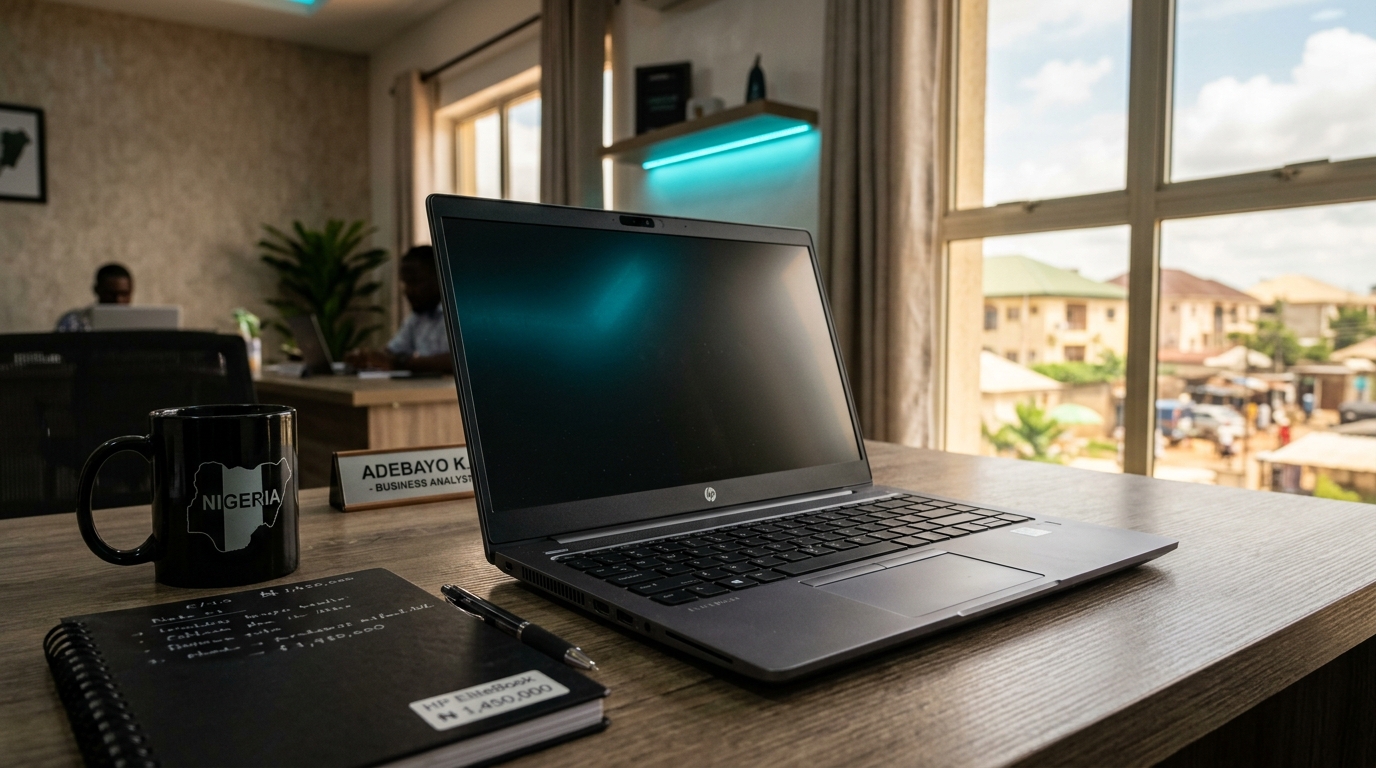
At this budget, here's the target spec sheet I give my own students:
Core i5, 8th generation or newer — generation matters more than the "i5 vs i7" label. An 8th-gen i5 will often outperform an older i7.
16GB RAM — this is the real upgrade from the ₦250K tier below it. 8GB works, but 16GB is where things stop feeling cramped.
256GB or 512GB SSD — never settle for a spinning hard drive at this budget. It's simply not worth it anymore.
If you land a laptop with all three of those, you're in genuinely good shape — not just "good enough to start," but comfortable for a solid year or two of learning before you'd need to think about upgrading.
Realistic models to look for
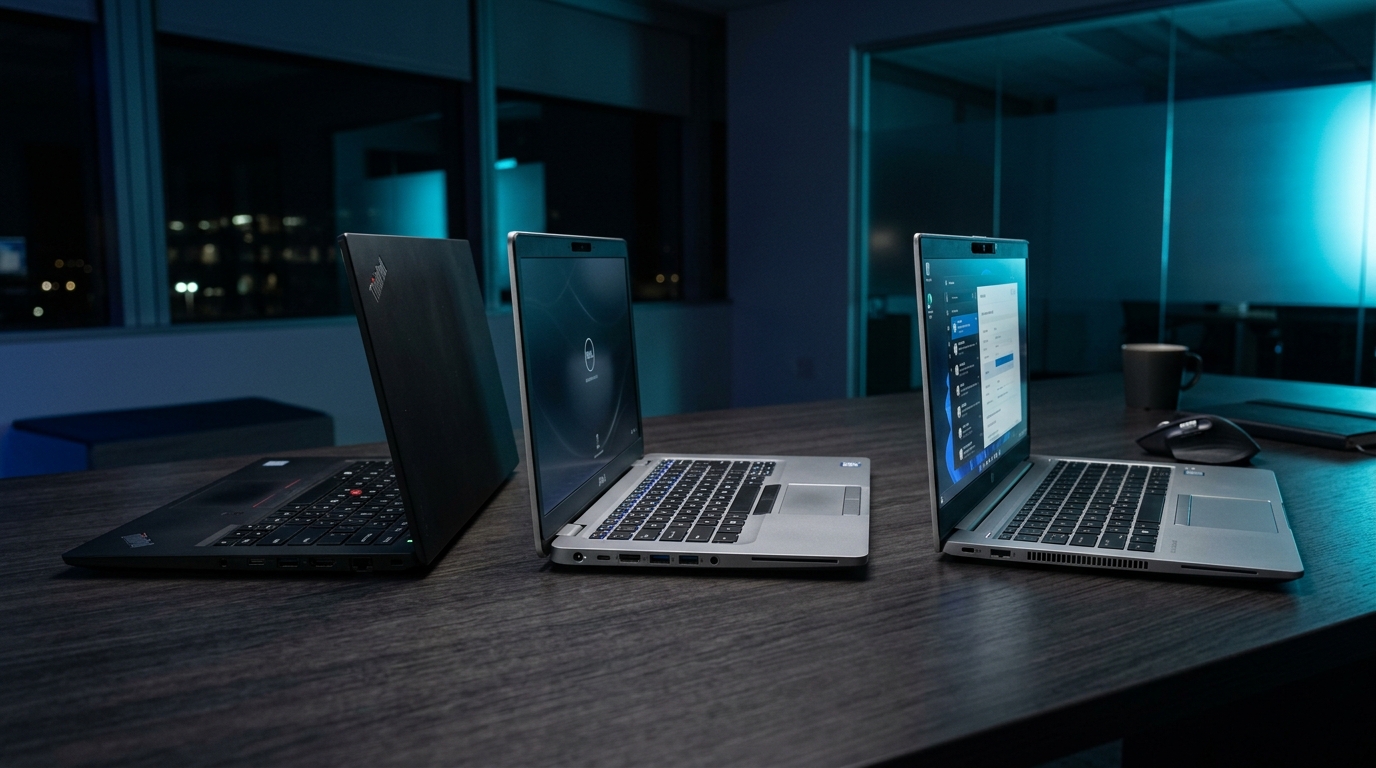
A ThinkPad T470 with 16GB RAM and a 256GB SSD has recently been listed around ₦300,000 in Abuja — a genuinely solid pickup if the battery health and screen check out.
Beyond that, keep an eye on:
ThinkPad T490 / T490s — a strong step up from the T470 family if you can find one in this range with 16GB RAM.
Dell Latitude 5400 — reliable business build, usually easy to find with an SSD already installed.
HP EliteBook 840 G6/G7 — comparable spec profile to the Latitude 5400, worth cross-shopping both.
Here's the part I can't say enough: don't buy the model number, buy the actual laptop. A badly treated T490 with a worn-out battery and a cracked hinge is a worse purchase than a clean, well-kept T480 at the same price. Condition beats model number every time.
What to inspect before you pay
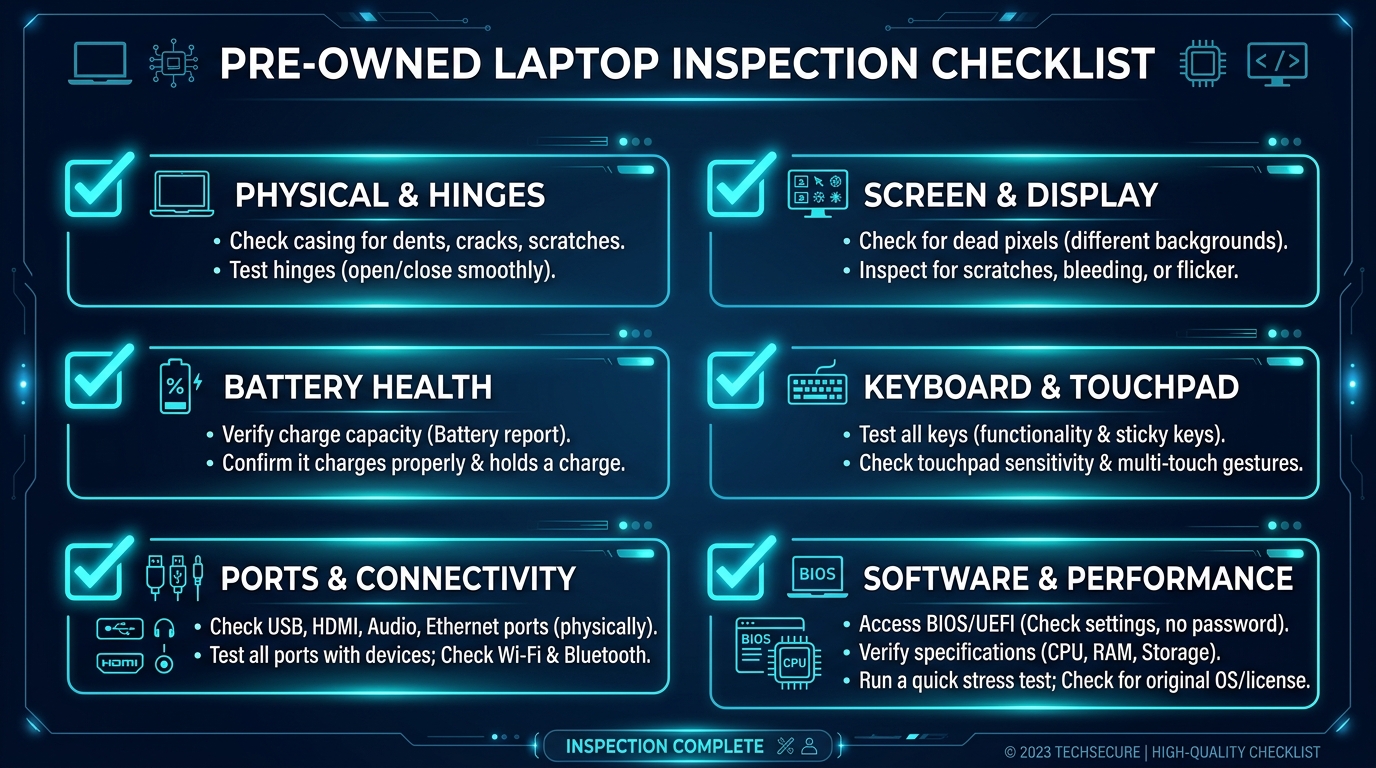
This is the step that separates a great ₦300K purchase from a regretted one. Before handing over any money, physically check:
Battery health (ask the seller to show you the battery report, or check it yourself)
Screen for dead pixels, discoloration, or flickering
Keyboard — every key, not just a few
Trackpad responsiveness
All USB ports, USB-C charging, and HDMI
Wi-Fi connection stability
Speakers and webcam
SSD health (there are free tools that check this in under a minute)
Actual installed RAM (not just what the listing claims)
Whether there's a BIOS password set (this can lock you out permanently — walk away if you can't confirm it's clear)
Charger included and functioning
Serial number matching the laptop (helps confirm it isn't reported stolen)
Overall chassis condition — hinges, screen frame, keyboard deck
If a seller won't let you check even half of this list before paying, that's your answer. Walk away.
What you can realistically do with this setup
With a ₦300K laptop hitting the 16GB RAM target, you can comfortably:
Run Linux natively or in a single, well-resourced virtual machine
Work through Python and PowerShell scripting fundamentals
Use Wireshark, Nmap, and Burp Suite without slowdown
Run one demanding VM (say, a Kali Linux instance) alongside your host OS and a browser
Where you'll start feeling the ceiling is stacking multiple VMs simultaneously — a full Active Directory lab alongside Docker containers and a Windows Server instance will push 16GB to its limit. That's not a failure of this budget tier; it's simply the natural point where the ₦400K–₦500K tier starts making sense.
[Image placement: closing CTA — "Turn this laptop into a real cybersecurity lab" banner]
Got the laptop — now what? At Elitech Hub, we walk students through exactly how to turn a machine like this into a working cybersecurity lab, step by step. Explore our cybersecurity bootcamp →
For the full picture across every budget tier, see the broader guide: Best Laptops for Learning Cybersecurity in Nigeria in 2026. And if you're specifically hunting the used market, don't skip Best UK-Used Laptops for Cybersecurity in Nigeria — it goes deeper on exactly which generations and configurations hold up best.