Introduction
Bank account hacking in Nigeria is becoming more common, but most cases are not real hacking. You check your phone and see debit alerts for transactions you did not authorize and your balance is dropping, leaving you confused and worried in the moment.
In most situations, what people call bank account hacking is actually bank account fraud in Nigeria, not a direct attack on bank systems.
This article explains how these fraud cases really happen and the simple steps you can take to protect yourself and your money.

What Is Bank Account Hacking in Nigeria?
The term “bank account hacking” is commonly used, but it is not always accurate.
In simple terms, bank account hacking in Nigeria usually refers to unauthorized access to a person’s bank account that leads to loss of money. However, real hacking, where criminals break into bank systems, is very rare.
Most cases are actually fraud or scams. Instead of attacking banks, criminals target people. They trick users into giving away sensitive details such as passwords, PINs, ATM card information, or one-time passwords (OTP).
This means that in most cases of bank fraud in Nigeria, the weak point is not the bank’s system but human behavior.
How Bank Account Fraud Happens in Nigeria
Understanding how bank accounts are hacked in Nigeria helps you avoid becoming a victim. Fraudsters use different methods, but they often work together.
The most common methods include phishing scams, SIM swap fraud, fake calls, malicious apps, and unsafe internet connections.
Phishing Scams (Fake Messages and Links)
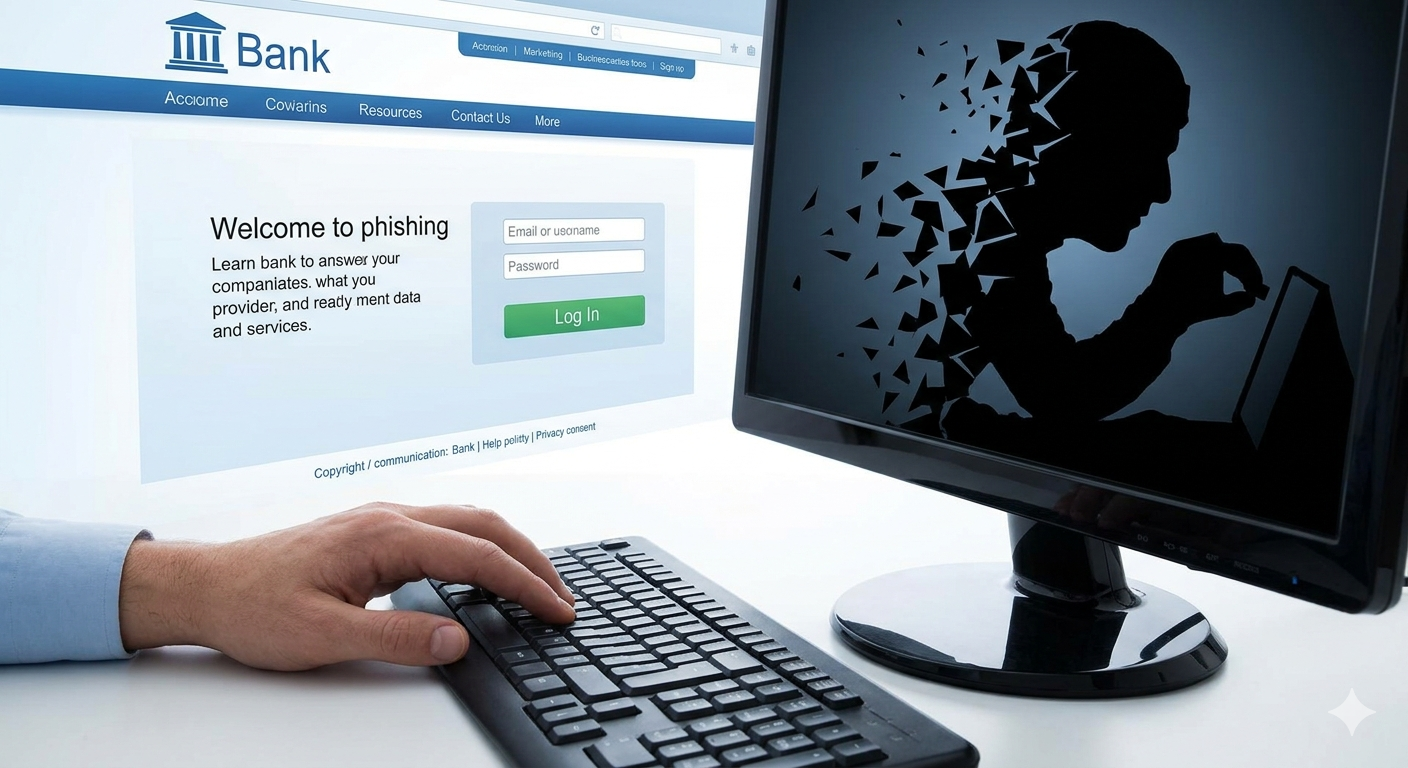
Phishing is one of the most common causes of bank account hacking in Nigeria.
Fraudsters send fake SMS messages, WhatsApp texts, or emails that look like they are from your bank. These messages usually contain urgent warnings such as account suspension, suspicious activity, or failed transactions.
The message includes a link that looks like your bank’s official website. When you click it, you are taken to a fake page designed to look real. Once you enter your login details, card information, or OTP, the fraudsters capture it immediately.
Phishing works because it creates fear and urgency, pushing people to act quickly without thinking.
SIM Swap Fraud in Nigeria
SIM swap fraud is another major method used in bank fraud in Nigeria.
It happens when criminals take control of your phone number. Once successful, your SIM stops working, and the fraudster begins receiving your calls, messages, and bank OTPs.
Since your phone number is linked to your bank account, this gives them direct access to reset your login details and transfer money.
Social Engineering (Fake Bank Calls)
Social engineering is another common method behind bank account hacking in Nigeria.
Fraudsters call victims pretending to be bank staff. They sound professional and may even have some personal details to gain trust.
They create urgency by saying there is a problem with your account and ask you to confirm sensitive information such as your PIN, password, or OTP.
Once you share this information, they immediately use it to access your account.
This method works because people tend to trust a human voice more than messages or emails.
Malicious Apps and Fake Downloads
Malicious apps are another growing cause of bank fraud in Nigeria.
These apps are designed to look like real banking or utility applications but are created to steal your information.
Once installed, they may request access to messages, contacts, or storage. They can capture OTPs, track activity, or steal login details.
Many of these apps are distributed through unofficial websites or direct links.
Downloading apps from untrusted sources increases your risk of how bank accounts are hacked in Nigeria.
Public WiFi Risks
Using public WiFi can also expose users to bank account hacking in Nigeria.
Public networks in places like cafes, hotels, and airports are often not secure. Hackers can monitor activity or create fake WiFi networks to trick users.
If you log into your bank account on such networks, your data can be intercepted.
This is why using mobile data or secure private networks is always safer for banking transactions.
Why Bank Fraud Is Increasing in Nigeria
Several factors are driving the rise of bank fraud in Nigeria.
More people now use mobile banking, which increases exposure. At the same time, many users lack awareness of cybersecurity risks.
Fraudsters also take advantage of trust, urgency, and emotional reactions to trick victims.
In many cases, simple mistakes such as clicking a link or sharing an OTP are enough to compromise an account.
Signs Your Bank Account May Be at Risk
You may notice warning signs such as:
- Unusual debit alerts
- OTP messages you did not request
- Sudden loss of network signal
- Suspicious login notifications
These signs should not be ignored, especially in cases of suspected SIM swap fraud in Nigeria.
What to Do If Your Bank Account Is Hacked
If you suspect fraud, act immediately:
Contact your bank using official channels and request account restriction. Block your card or account to prevent further transactions.
Change all passwords and PINs as soon as possible.
Visit your bank branch if needed for faster resolution.
You should also report the case to the appropriate authorities such as the Economic and Financial Crimes Commission (EFCC) or the police.
Quick action can reduce financial loss.
How to Protect Your Bank Account
Protecting yourself from bank account hacking in Nigeria requires simple but consistent habits:
- Never share your OTP, PIN, or password
- Avoid clicking suspicious links
- Use only official banking apps
- Secure your SIM card
- Enable transaction alerts
- Avoid public WiFi for banking
Most cases of bank fraud in Nigeria happen because of small mistakes that can be avoided.
Conclusion
Bank account fraud in Nigeria is real and increasing, but it is important to understand that most cases are not true hacking. Instead, they are scams that rely on human error and manipulation.
When you understand how fraudsters operate, you become harder to target. Awareness, caution, and good digital habits are your strongest protection.
Staying informed is the first step to staying safe in today’s digital banking environment.
Key Takeaways
- Most “bank account hacking” is actually fraud
- Fraudsters target people, not bank systems
- Phishing, SIM swap, and fake calls are common methods
- OTP and PIN must never be shared
- Awareness is the best protection
Call to Action
If you found this helpful, share it with someone who uses mobile banking.
For more simple and practical cybersecurity insights, follow Elitechub and stay informed.