Introduction
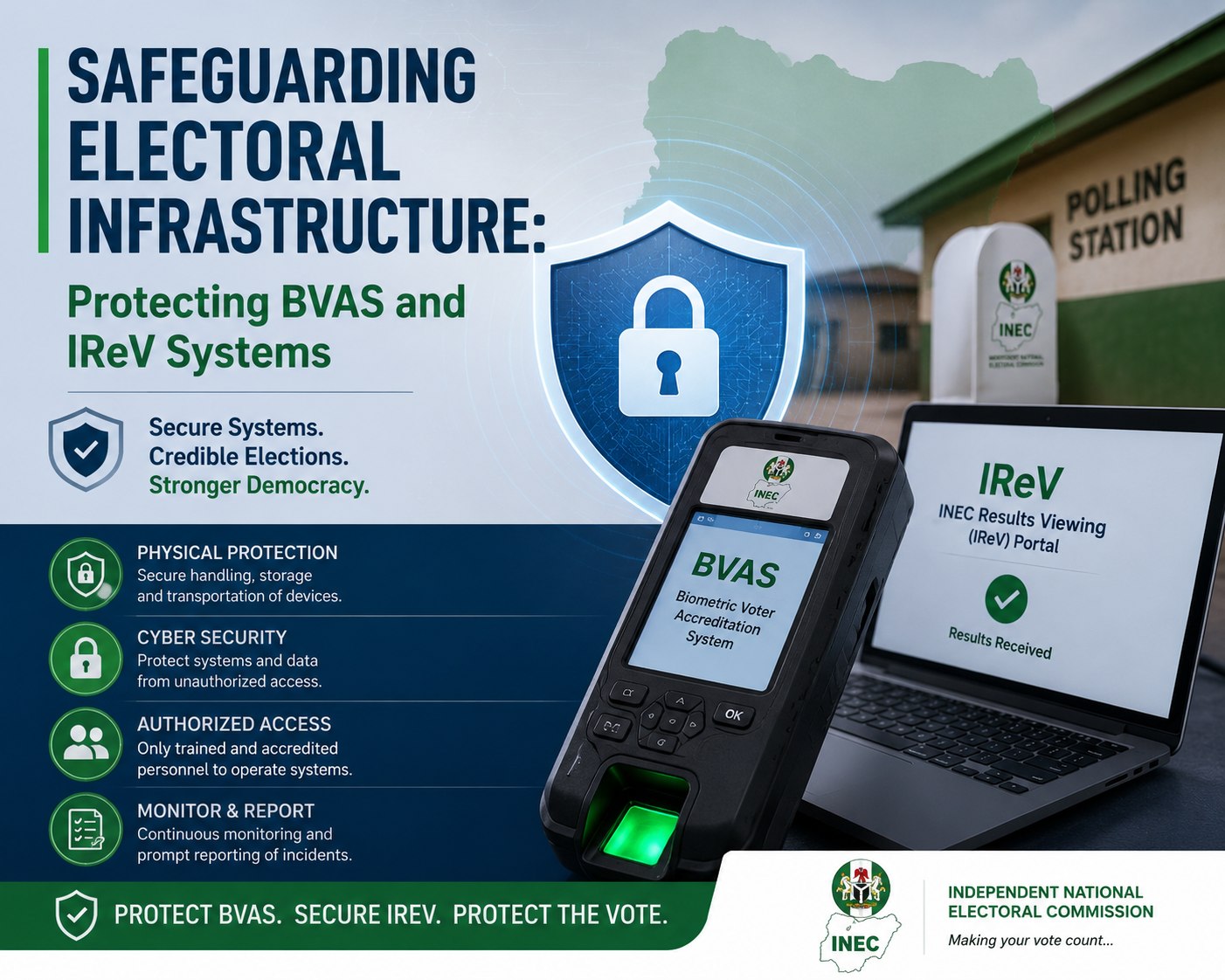
Election cyber risks are becoming a growing concern as countries prepare for increasingly digital election processes. As governments rely more on online systems, cloud platforms, and connected technologies, the risk of cyberattacks targeting public institutions continues to rise.
Ahead of the 2027 election cycle, concerns are increasing around attacks on government systems, voter databases, and public services. At the same time, disinformation campaigns and digital manipulation threaten public trust and electoral stability.
Beyond election-related risks, organizations are also facing broader cybersecurity challenges linked to API security, cloud vulnerabilities, legacy systems, IoT expansion, and insider threats.
This post explores the major election cyber risks expected in 2027 and the wider cybersecurity trends organizations and governments must prepare for.
Why Election Cyber Risks Are Increasing
Cybercriminals and threat actors may target elections to:
- Disrupt public services
- Manipulate information
- Access sensitive voter data
- Undermine trust in democratic systems
- Create confusion during election periods
As digital dependence grows, election cyber risks become more difficult to manage.
Threats to Government Systems and Voter Data
Government systems remain one of the primary targets during election periods. Attackers often look for weaknesses in public infrastructure to gain unauthorized access or disrupt operations.
Common threats include:
Data Breaches
Attackers may attempt to access voter records and sensitive government information.
DDoS Attacks
Government websites and election portals may be overwhelmed to disrupt public access.
Ransomware Attacks
Critical systems may be locked or disrupted during sensitive election periods.
Disinformation Campaigns
False information can spread rapidly online to influence public perception and create confusion.
These threats can weaken trust in institutions and affect public confidence in election processes.
The Growing Risk of Disinformation
Disinformation remains one of the biggest election cyber risks in 2027. Social media platforms and AI-generated content now allow false narratives to spread faster and more convincingly than before.
Attackers may use:
- Deepfake videos and audio
- Fake social media campaigns
- Manipulated news content
- Automated bot networks
These tactics can influence public opinion, create panic, and damage trust in electoral systems.
Broader Cybersecurity Trends Organizations Must Watch
While election cyber risks are a major concern, organizations are also facing several broader cybersecurity challenges.
API and Cloud Security Risks
As organizations rely more on APIs and cloud platforms, misconfigurations and weak access controls create new attack opportunities.
Legacy System Exploits
Older systems often lack modern security protections, making them easier to compromise.
IoT Expansion
The rapid growth of connected devices increases the overall attack surface for organizations.
Insider Threats
Employees and internal users can intentionally or accidentally expose sensitive systems and data.
Together, these trends continue to increase cybersecurity complexity across both public and private sectors.
How Organizations Can Reduce Election Cyber Risks
Reducing election cyber risks requires a proactive and layered approach to cybersecurity.
Strengthen Access Controls
Limit unauthorized access to critical systems and voter databases.
Improve Threat Monitoring
Continuously monitor systems for suspicious activity and potential attacks.
Secure APIs and Cloud Environments
Apply strong authentication and regular security testing.
Update Legacy Systems
Patch vulnerabilities and replace outdated infrastructure where possible.
Combat Disinformation
Improve public awareness and verify official communication channels.
These measures help improve resilience before, during, and after election periods.
Why Cyber Resilience Matters in 2027
Cyber resilience is becoming just as important as cyber prevention. Organizations and governments must prepare not only to stop attacks but also to respond and recover quickly when incidents occur.
As election cyber risks and broader digital threats continue to evolve, resilience helps maintain operational continuity, public trust, and service availability.
Conclusion
Election cyber risks in 2027 are expected to increase as attackers target government systems, voter data, and public trust through disruption and disinformation. At the same time, broader cybersecurity threats involving APIs, cloud systems, IoT devices, legacy infrastructure, and insider risks continue to grow.
To stay protected, organizations and governments must strengthen resilience, modernize security practices, and prepare for an increasingly complex digital threat landscape.
Key Takeaways
- Election cyber risks are increasing ahead of 2027
- Government systems and voter data remain major targets
- Disinformation campaigns can undermine public trust
- API, cloud, IoT, and legacy system risks continue to grow
- Cyber resilience is essential for maintaining stability and security
FAQs
1. What are election cyber risks?
They are cybersecurity threats that target election systems, voter data, and public trust.
2. Why are elections attractive targets for attackers?
Because disrupting elections can create confusion, instability, and loss of public confidence.
3. What role does disinformation play in election risks?
Disinformation spreads false or misleading information to influence public perception.
4. Why are legacy systems a security problem?
Older systems often lack modern security protections and are easier to exploit.
5. How can organizations improve cyber resilience?
By strengthening monitoring, updating systems, securing cloud environments, and preparing response plans.
Call to Action
Stay informed about evolving cybersecurity threats and digital risk trends.
Visit Elitechub.com for more cybersecurity insights, updates, and practical resources.