Introduction
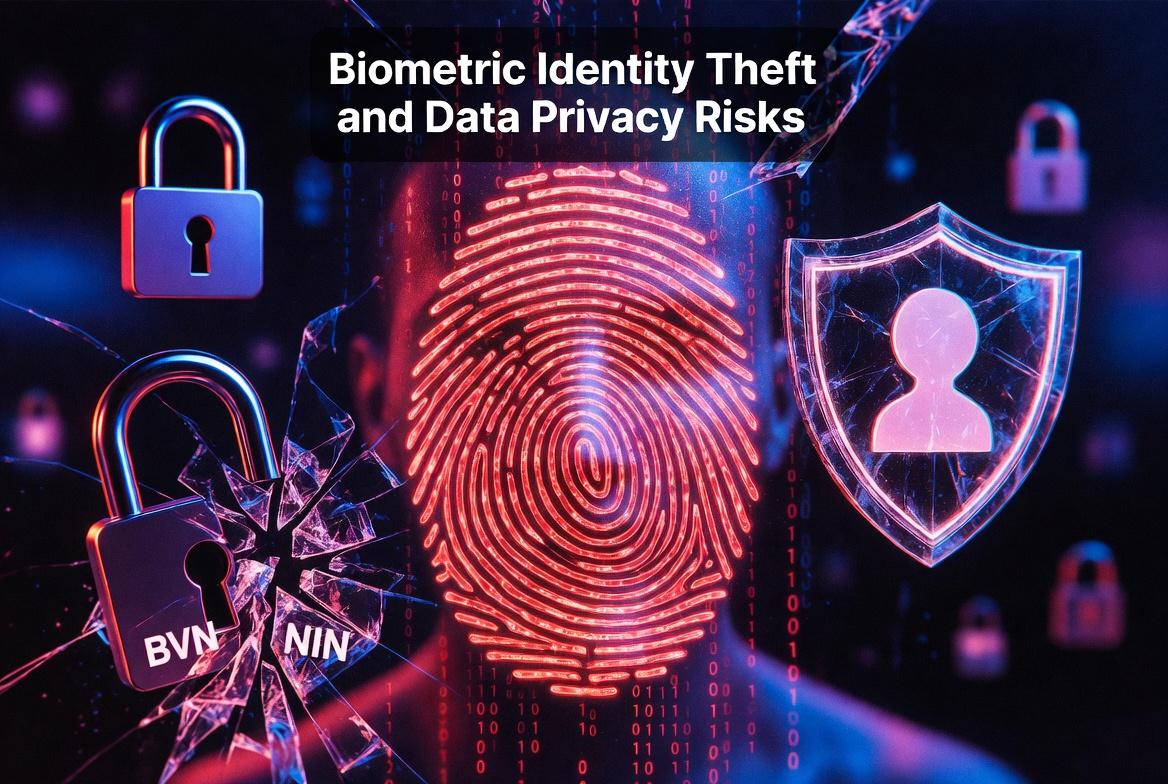
Biometric identity theft and data privacy concerns are growing as digital banking, biometric authentication, and national identity systems become more common. In Nigeria, the widespread use of BVN, NIN databases, and biometric logins has improved digital access and verification processes. However, it has also increased the risk of identity-related cybercrime.
Unlike passwords, biometric data cannot easily be changed once compromised. Fingerprints, facial recognition data, and other biometric records are permanent identifiers, making security breaches far more serious.
As organizations collect and store more personal data, discussions around biometric identity theft and data privacy are becoming more important. At the same time, businesses are under increasing pressure to strengthen identity management systems and comply with the Nigeria Data Protection Act (NDPA).
This post explains the growing risks of biometric identity theft, the importance of data privacy, and the steps organizations can take to improve security and compliance.
What Is Biometric Identity Theft?
Cybercriminals may use stolen biometric data to:
- Bypass authentication systems
- Access financial accounts
- Commit fraud or impersonation
- Gain unauthorized access to sensitive platforms
Because biometric data is tied directly to an individual, the consequences of compromise can be long-term and difficult to reverse.
This is why biometric identity theft and data privacy have become major cybersecurity concerns.
Why Biometric Data Is More Sensitive
Biometric data is considered highly sensitive because it is unique to each individual and cannot easily be replaced.
For example:
- A password can be reset
- A debit card can be replaced
- But fingerprints or facial data remain permanent
As a result, a breach involving biometric information can create long-lasting security and privacy risks for affected individuals.
This makes strong protection of biometric systems essential for organizations handling sensitive identity data.
The Growing Use of Biometric Systems
Biometric systems are now widely used across multiple sectors.
Digital Banking
Banks use fingerprints and facial recognition for account access and transaction verification.
National Identity Programs
BVN and NIN systems rely heavily on biometric records for identity verification.
Mobile Authentication
Many smartphones and mobile apps use biometric login features.
Government Services
Public sector platforms increasingly depend on biometric identity checks.
While these systems improve convenience and security, they also increase exposure to biometric identity theft and data privacy risks.
How Biometric Identity Theft Happens
Attackers use different methods to compromise biometric systems and personal data.
Data Breaches
Hackers may target databases containing biometric records and personal information.
Phishing and Social Engineering
Users can be tricked into exposing sensitive identity data.
Weak Storage and Encryption
Poorly secured systems make biometric information easier to steal.
Insider Threats
Employees with privileged access may intentionally or accidentally expose data.
As biometric adoption increases, attackers continue looking for weaknesses in identity management systems.
The Importance of Data Privacy and NDPA Compliance
Data privacy is becoming a major priority for organizations handling biometric information. In Nigeria, the Nigeria Data Protection Act (NDPA) establishes rules for collecting, processing, storing, and protecting personal data.
Organizations are expected to:
- Secure sensitive user information
- Limit unnecessary data collection
- Prevent unauthorized access
- Report breaches when required
- Maintain transparent privacy practices
Failure to comply with data protection laws can lead to financial penalties, reputational damage, and loss of public trust.
This is why biometric identity theft and data privacy discussions continue to grow among local enterprises.
How Organizations Can Reduce Biometric Risks
Organizations must strengthen identity management systems to reduce biometric security risks.
Use Strong Encryption
Protect biometric records during storage and transmission.
Implement Multi-Factor Authentication
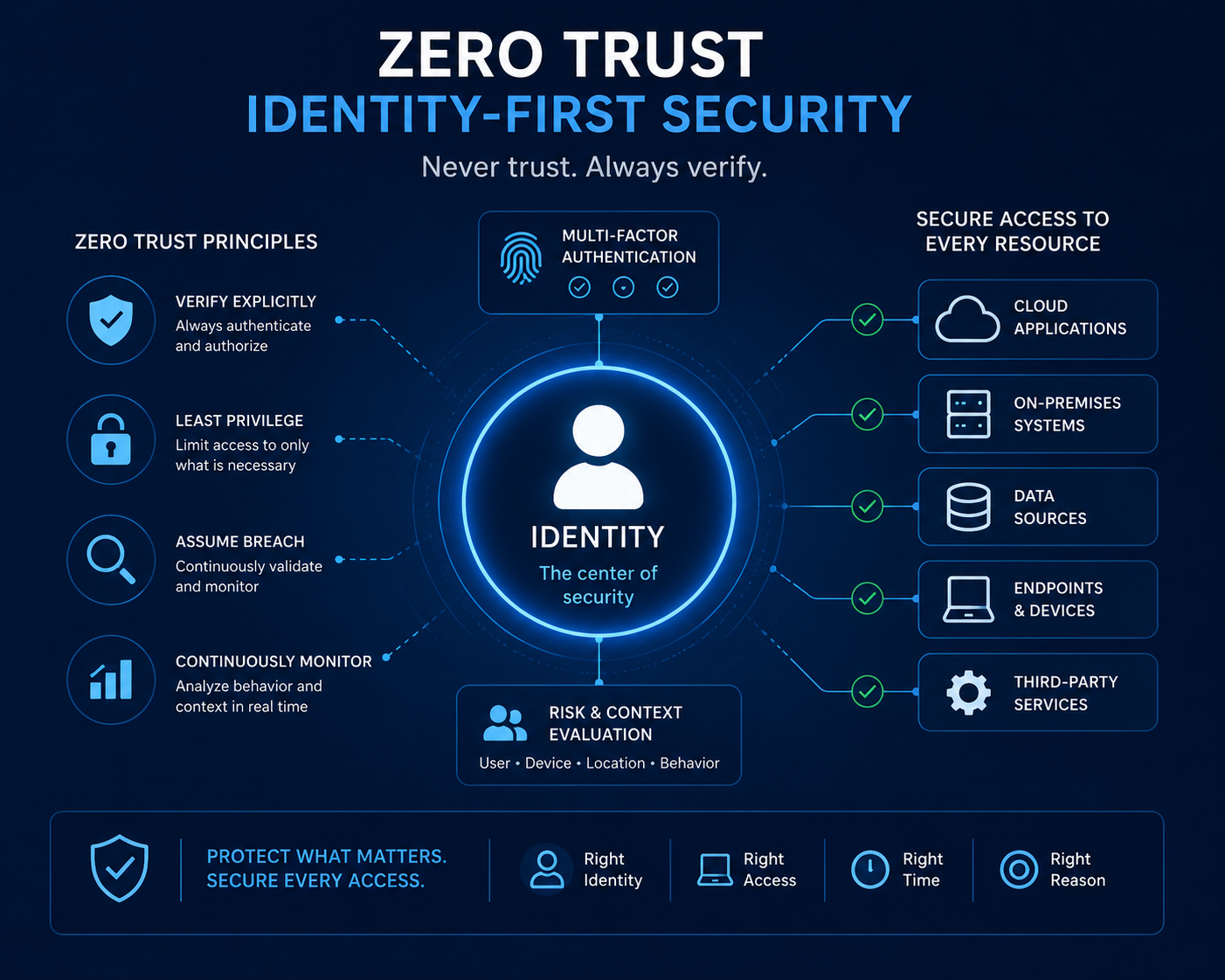
Combine biometrics with additional verification methods.
Limit Access to Sensitive Data
Restrict access to authorized personnel only.
Conduct Regular Security Audits
Identify vulnerabilities before attackers exploit them.
Train Employees on Data Privacy
Improve awareness of identity protection and security practices.
Together, these measures improve resilience against biometric identity theft and privacy breaches.
Why Public Trust Matters
Public trust is essential for digital identity systems to succeed. If users believe their biometric data is unsafe, confidence in digital banking, government services, and online platforms may decline.
Organizations that prioritize biometric identity theft and data privacy protection are more likely to maintain customer trust and regulatory compliance.
Conclusion
Biometric identity theft and data privacy risks are increasing as digital identity systems become more widespread. While biometric technologies improve convenience and verification, they also create long-term security concerns because biometric data cannot easily be replaced once compromised.
To stay protected, organizations must strengthen identity management systems, secure sensitive data, and comply with evolving data protection laws like the NDPA.
Key Takeaways
- Biometric identity theft involves stolen or misused biometric data
- Biometric information is highly sensitive and difficult to replace
- Digital banking and identity systems increase exposure to risks
- NDPA compliance is important for protecting personal data
- Strong encryption and access control improve security resilience
FAQs
1. What is biometric identity theft?
It is the theft or misuse of biometric data such as fingerprints or facial recognition information.
2. Why is biometric data sensitive?
Because it is permanent and cannot easily be changed if compromised.
3. What is the NDPA?
The Nigeria Data Protection Act regulates how organizations collect and protect personal data.
4. How can organizations reduce biometric security risks?
By using encryption, access controls, multi-factor authentication, and regular audits.
5. Why is data privacy important?
Because it protects personal information and helps maintain public trust.
Call to Action
Stay informed about emerging identity and data privacy risks.
Visit Elitechub.com for more cybersecurity insights, updates, and practical resources.