Introduction
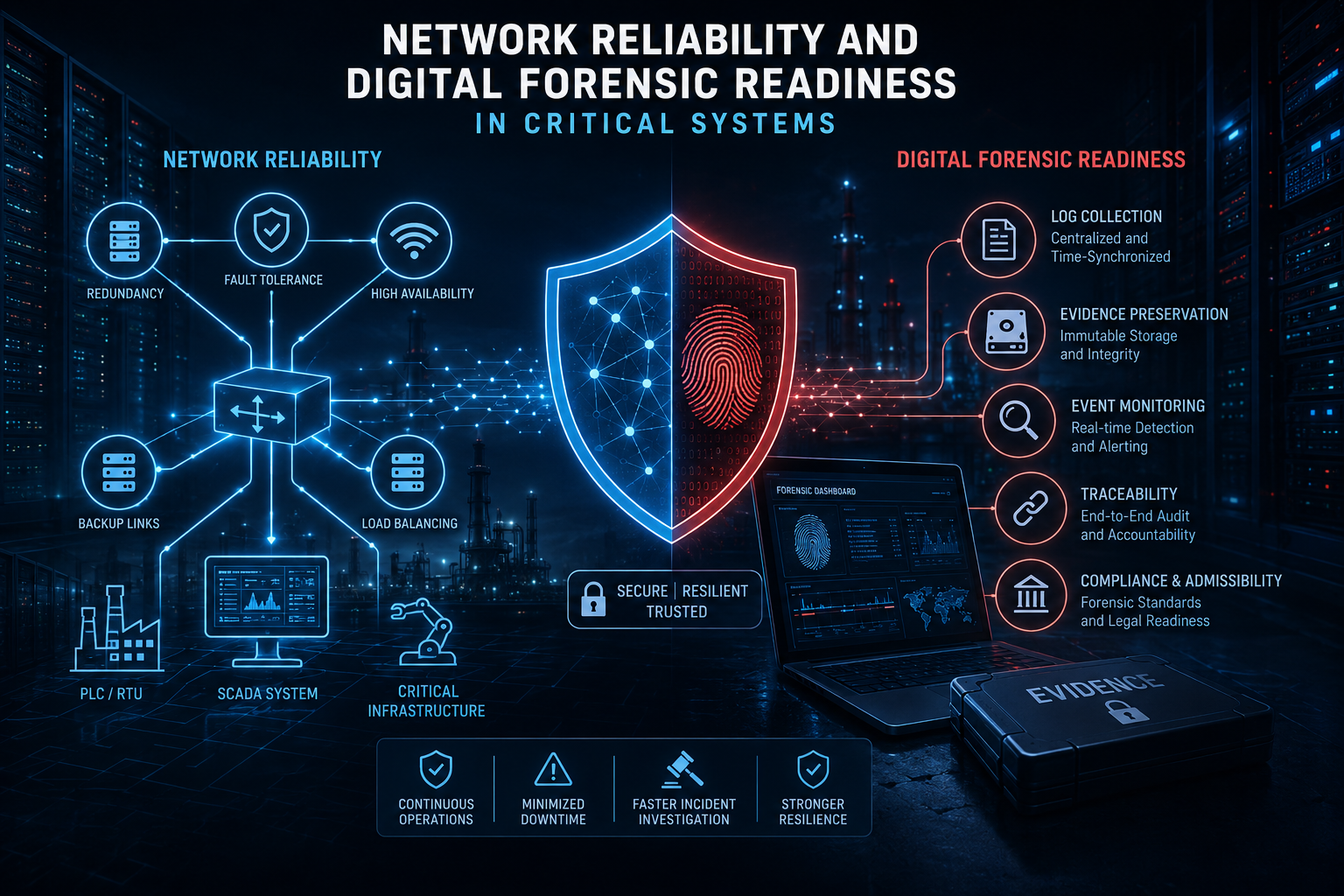
Network reliability and digital forensic readiness are becoming increasingly important as governments and organizations rely more on digital infrastructure for essential services. From election systems and identity platforms to financial networks and public services, stable and secure digital operations are now critical to national stability and public trust.
However, growing cyber threats such as server overloads, targeted DDoS attacks, and infrastructure failures continue to expose weaknesses in critical systems. In many cases, network disruptions can delay services, interrupt communication, and create concerns about the reliability of electronic processes.
At the same time, organizations are placing greater focus on digital forensic readiness to improve incident investigation, evidence collection, and cyberattack response.
This post explores the growing importance of network reliability and digital forensic readiness, the risks facing critical infrastructure, and the strategies being implemented to improve resilience and secure authentication systems.
Why Network Reliability Matters
Network reliability refers to the ability of digital systems and infrastructure to remain stable, available, and operational even during high traffic volumes or cyberattacks.
For critical services, network downtime can have serious consequences, including:
- Delayed service delivery
- Interrupted communications
- Reduced public trust
- Operational disruptions
- Financial and reputational damage
As digital dependence increases, network reliability and digital forensic readiness are becoming essential components of cybersecurity and infrastructure protection.
The Growing Threat to Critical Infrastructure
Critical digital systems are increasingly targeted by cybercriminals and threat actors looking to disrupt operations or exploit vulnerabilities.
DDoS Attacks
Distributed Denial-of-Service attacks can overwhelm servers with massive traffic, making systems inaccessible.
Heavy Network Traffic
Unexpected spikes in traffic can overload infrastructure and reduce service availability.
Infrastructure Vulnerabilities
Weak or outdated systems may fail under pressure or become easier to exploit.
Authentication System Risks
Identity verification systems may become targets for attackers seeking unauthorized access.
These threats continue to raise concerns about the reliability and security of electronic systems.
Why Digital Forensic Readiness Is Important
Strong digital forensic readiness helps organizations:
- Investigate cyberattacks effectively
- Identify the source of incidents
- Preserve digital evidence properly
- Support legal or regulatory processes
- Improve future cybersecurity defenses
The Role of Secure Authentication Systems
Secure authentication systems play a critical role in protecting digital infrastructure and user identities.
In Nigeria, improvements to systems managed by the National Identity Management Commission are part of broader efforts to strengthen secure identity verification and reduce unauthorized access risks.
Reliable authentication systems help:
- Protect sensitive personal data
- Reduce identity fraud
- Improve trust in digital services
- Strengthen access control measures
As digital services continue expanding, secure authentication remains a key part of network reliability and digital forensic readiness.
Strategies for Improving Network Reliability
Organizations and governments are adopting several strategies to improve resilience and reduce infrastructure risks.
DDoS Protection and Traffic Filtering
Mitigation systems help detect and block malicious traffic before it overwhelms servers.
Infrastructure Redundancy
Backup systems and distributed networks reduce single points of failure.
Continuous Network Monitoring
Real-time monitoring helps identify unusual activity early.
Regular System Updates
Patching vulnerabilities improves infrastructure stability and security.
Scalable Infrastructure
Flexible systems help manage traffic spikes and growing digital demand.
Together, these measures improve operational continuity during cyber incidents and high-traffic events.
Building Digital Forensic Readiness
Organizations must also strengthen digital forensic readiness to improve incident response capabilities.
Log Management
Maintain detailed records of network and system activity.
Incident Response Planning
Develop clear procedures for handling cyber incidents and investigations.
Evidence Preservation
Ensure digital evidence is securely stored and protected.
Staff Training
Train teams on forensic processes and cyber incident handling.
These practices help organizations respond more effectively when attacks or system failures occur.
Challenges Organizations Still Face
Despite ongoing improvements, several challenges remain.
- Outdated infrastructure
- Limited cybersecurity resources
- Increasing attack sophistication
- High dependency on digital systems
- Insufficient forensic expertise
As cyber threats continue evolving, organizations must continuously strengthen resilience and forensic capabilities.
Conclusion
Network reliability and digital forensic readiness are becoming essential for protecting critical digital infrastructure. As cyberattacks, DDoS incidents, and network disruptions continue to grow, organizations must strengthen both operational resilience and incident investigation capabilities.
By improving infrastructure stability, securing authentication systems, and investing in forensic readiness, governments and organizations can better protect digital services, maintain public trust, and respond effectively to cyber threats.
Key Takeaways
- Network reliability is critical for stable digital services
- DDoS attacks and heavy traffic can disrupt critical infrastructure
- Digital forensic readiness improves cyber incident investigations
- Secure authentication systems reduce identity-related risks
- Monitoring, redundancy, and forensic planning improve resilience
FAQs
1. What is network reliability?
It is the ability of systems and networks to remain stable and operational during disruptions or high traffic.
2. What is digital forensic readiness?
It is the ability to collect and preserve digital evidence during cyber incidents.
3. Why are DDoS attacks dangerous?
Because they can overwhelm systems and disrupt essential services.
4. Why are authentication systems important?
They help verify user identities and prevent unauthorized access.
5. How can organizations improve resilience?
By using monitoring tools, scalable infrastructure, DDoS protection, and incident response planning.
Call to Action
Stay informed about emerging cybersecurity and infrastructure protection trends.
Visit Elitechub.com for more cybersecurity insights, updates, and practical resources.