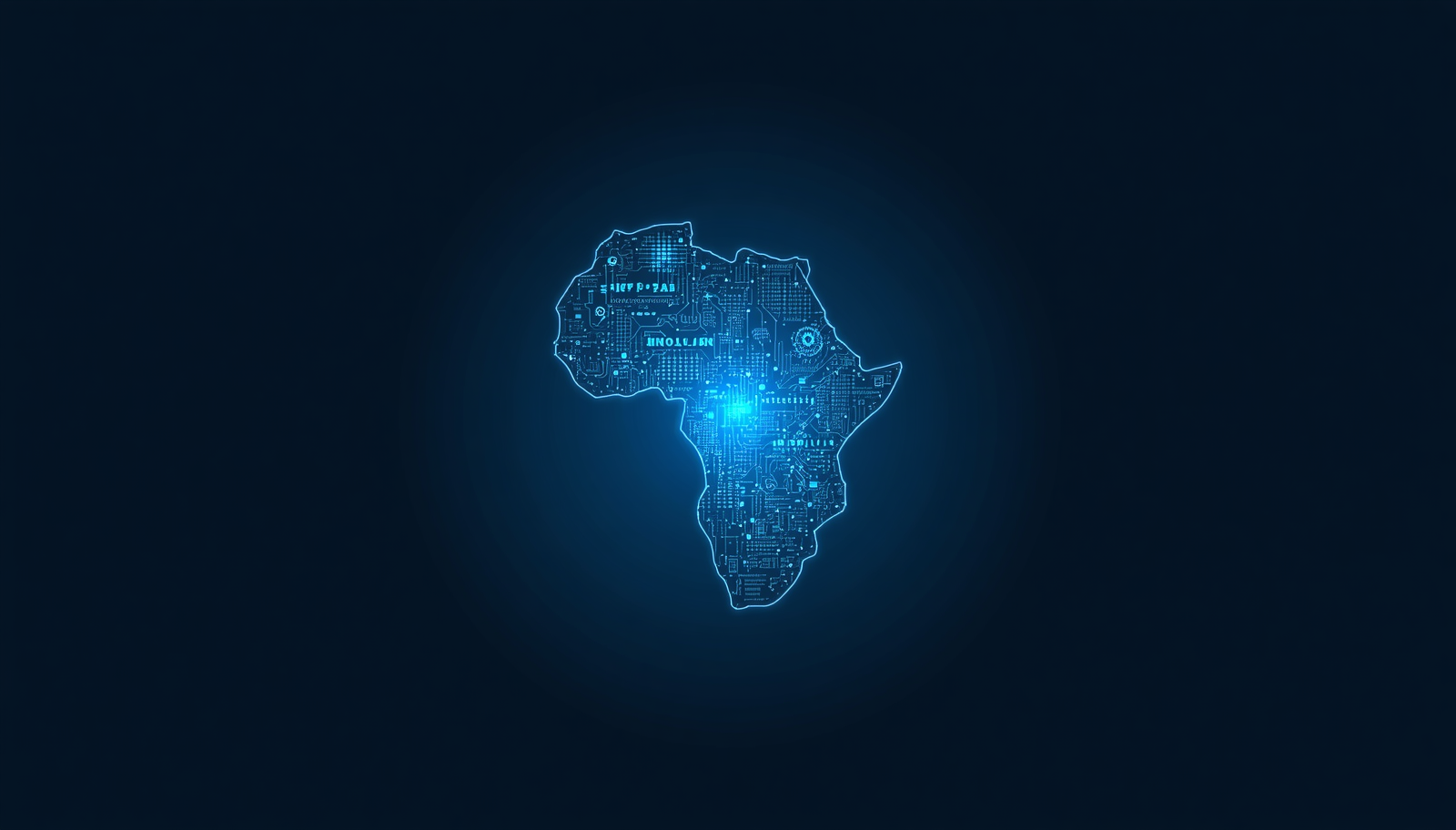
For a long time, Africa has mostly been on the receiving end of technology. We download the apps. We use the platforms. We adapt to systems built somewhere else. Whether it is social media, online banking, artificial intelligence tools, or digital marketplaces, most of the technology shaping our daily lives was not built with African realities at the centre.
Now, something interesting is happening in East Africa: the East Africa AI strategy. The East African Community recently adopted the Regional AI Strategy 2026–2031, a plan designed to help East African countries become producers of Artificial Intelligence instead of just consumers. At first glance, this may sound like another complicated government tech announcement. But beneath the policy language is a conversation that could affect jobs, businesses, education, healthcare, and the future of young Africans. This matters more than many people realise.
So, What Exactly Is Happening?
Artificial Intelligence, popularly called AI, is becoming one of the most powerful technologies in the world.
From ChatGPT and facial recognition to recommendation algorithms on TikTok and automated customer service systems, AI is already shaping how people work, communicate, learn, and do business.
Countries across the world are investing heavily in it because they understand one thing: the nations that lead in AI may also lead economically in the future. East Africa does not want to be left behind.
Instead of depending completely on foreign-built systems, East African countries now want to invest in:
- AI education and skills
- Better digital infrastructure
- Local tech startups
- Innovation hubs
- Research and development
- Homegrown AI solutions
In simple terms, the region is saying, "We do not just want to use technology built elsewhere." We want to build our own too.” That shift is significant. For decades, many African countries have consumed technology without having enough control over how it is created, how it works, or whose interests it serves.
Why This Matters to Everyday People
The truth is, many people hear “Artificial Intelligence” and immediately think, "That has nothing to do with me.” But it actually does. Technology policies often sound distant until they begin affecting daily life.
And AI is already quietly entering everyday spaces.
Jobs and Opportunities
Young Africans are entering one of the toughest job markets in years. Traditional employment is becoming unstable, while digital careers are growing rapidly. If this strategy is properly implemented, it could create opportunities in:
- Tech support
- Data analysis
- Digital marketing
- Cybersecurity
- AI-assisted customer service
- Software development
- Remote digital work
Even people outside the tech industry may benefit because businesses are becoming increasingly digital.
A fashion brand, food business, media company, or logistics startup may eventually rely on AI-powered tools to operate more efficiently.
Better Solutions for African Problems
One major problem with foreign technology is that it often does not fully understand African realities.
Many AI systems struggle with African accents, local languages, cultural contexts, or regional economic challenges.
That creates a gap.
An African-built AI system may better understand:
- Local languages
- Regional healthcare issues
- African market systems
- Educational challenges
- Agricultural needs
Imagine farmers receiving smarter crop predictions based on African weather patterns. Or healthcare systems using AI tools trained around local realities instead of imported assumptions.
That is where homegrown innovation becomes important.
Africa’s Youth Could Become Builders, Not Just Users
Africa has one of the youngest populations in the world.
That is both an opportunity and a challenge.
Without investment in digital education and infrastructure, millions of young people risk being left behind in the global economy.
But with the right systems, they could become creators, founders, developers, researchers, and innovators.
This strategy is attempting to position East Africa for that future.
And whether people realise it or not, the countries that prepare early for technological shifts often gain long-term economic advantages.
But There Is Still a Big Question
Can this vision actually become reality? Strategy documents are one thing, while execution is another.
For AI development to truly work in East Africa, several things must improve:
- Reliable electricity
- Affordable internet access
- Quality education
- Government support
- Funding for startups
- Digital literacy
Without these foundations, even the best ideas may struggle. This is where the conversation becomes bigger than technology itself. It becomes about infrastructure, leadership, investment, and whether African countries are genuinely ready to build for the future instead of constantly reacting to it.
A Defining Moment for East Africa and Africa’s Digital Future
The East African AI Strategy may not dominate everyday conversations yet, but it reflects something important happening across the continent. Africa is beginning to recognise that the future economy will be deeply connected to technology, data, and digital innovation. The real question is no longer whether AI will shape the future.
It will.
The bigger question is: Will Africa help shape that future too?
East Africa seems to be saying yes. If this vision succeeds, the impact may go far beyond technology. It could influence education, employment, healthcare, entrepreneurship, and how African societies participate in the global digital economy for years to come. That is why this story matters.
Not just for tech experts.
But for everyone.