Introduction
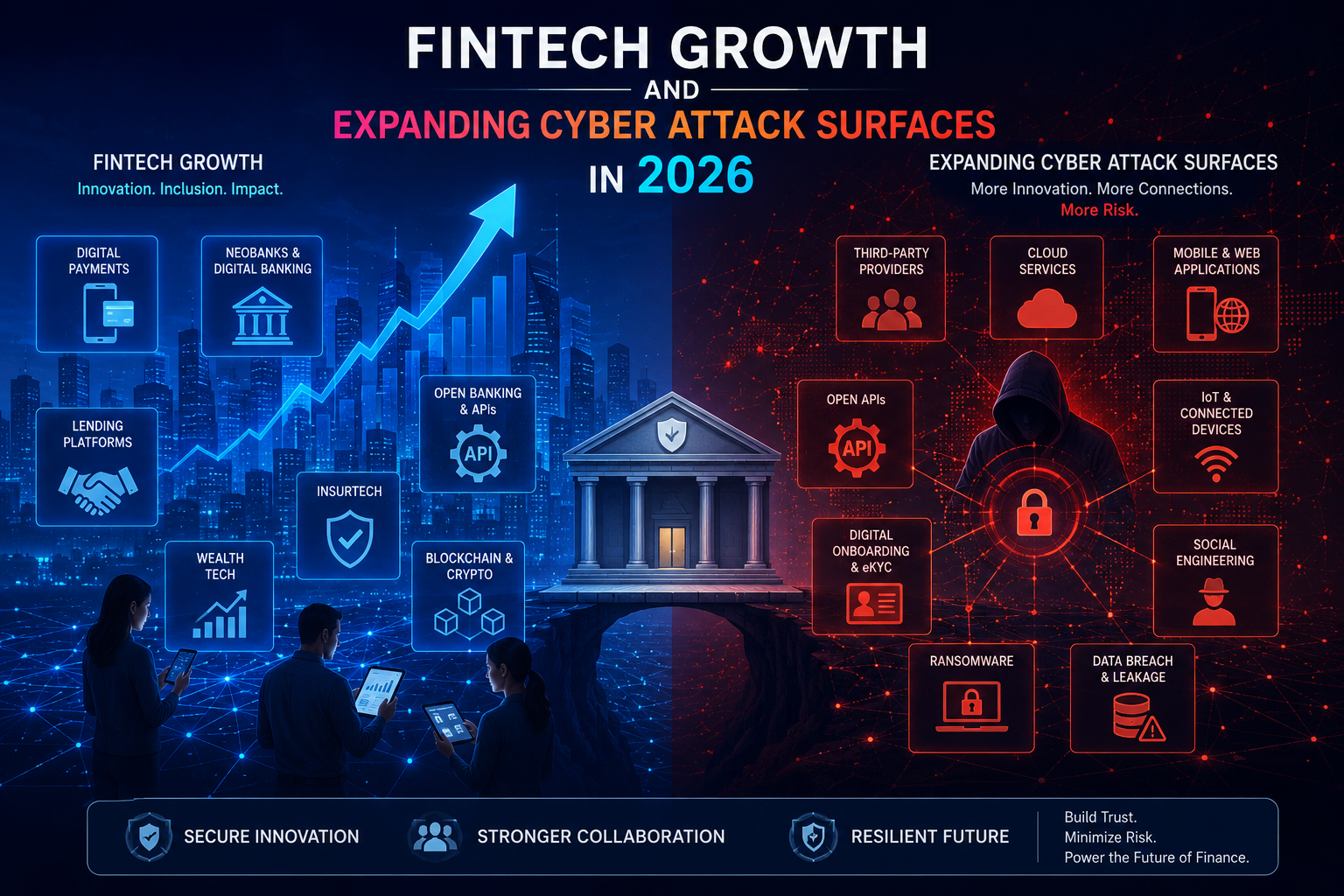
Fintech growth and expanding cyber attack surfaces are becoming major cybersecurity concerns as digital services continue to grow across industries. In countries like Nigeria, the rapid rise of fintech platforms, e-commerce, mobile money, and national digitalization programs has increased both innovation and cyber risk.
As more services move online, attackers now have more entry points to exploit. APIs, cloud environments, mobile applications, and supply chains are becoming common targets for cybercriminals looking to steal data, disrupt services, or gain unauthorized access.
Recent reports also show that Nigeria recorded the highest number of cyberattacks in Africa in early 2026, averaging about 4,701 attacks per organization weekly in January. This highlights the growing pressure on businesses and institutions to strengthen cybersecurity defenses.
This post explores how fintech growth is expanding cyber attack surfaces, the sectors most at risk, and the strategies organizations can use to improve resilience.
How Digital Growth Expands Attack Surfaces
The rapid expansion of digital services has significantly increased cyber exposure for organizations. As businesses adopt cloud systems, mobile platforms, and interconnected services, the number of possible attack points continues to grow.
Fintech growth and expanding cyber attack surfaces are closely connected because modern digital platforms rely heavily on APIs, third-party services, and cloud infrastructure. While these technologies improve efficiency and accessibility, they also create new security risks.
As a result, attackers now have more opportunities to exploit weak configurations, insecure integrations, and unprotected applications.
Why Fintech Platforms Are Major Targets
- Mobile banking applications
- Payment gateways
- Digital wallets
- Online transaction systems
- Customer identity databases
This is why fintech growth and expanding cyber attack surfaces remain a growing concern for the financial sector.
Key Cybersecurity Risks in the Digital Economy
Several cybersecurity risks are increasing alongside digital transformation efforts.
API Security Risks
APIs connect applications and services, but weak authentication and poor configuration can expose sensitive data.
Cloud Misconfigurations
Improperly secured cloud environments can allow unauthorized access to systems and information.
Mobile Application Vulnerabilities
Insecure mobile apps can expose user data and financial transactions.
Supply Chain Attacks
Attackers may compromise vendors or third-party providers to gain access to larger networks.
These risks continue to expand as organizations adopt more digital services and interconnected platforms.
Sectors Facing the Highest Exposure
Some industries face higher cyber risk because of their reliance on digital infrastructure and sensitive data.
Banking and Financial Services
Constant transactions and customer data make banks major targets.
Telecommunications
Telecom providers manage critical communication infrastructure and large user databases.
Energy and Utilities
Disruptions in energy systems can affect national operations and public services.
Government Institutions
Government platforms store sensitive national and citizen information.
As fintech growth and expanding cyber attack surfaces continue, these sectors remain under increasing pressure to improve cybersecurity resilience.
Why Cyber Attacks Are Increasing in Nigeria
Several factors contribute to the rise in cyberattacks across Nigeria’s digital economy.
First, rapid digital adoption has increased the number of connected systems and online services. Second, many organizations still struggle with outdated infrastructure, weak security controls, and limited cybersecurity awareness.
In addition, cybercriminals are increasingly targeting regions with expanding fintech ecosystems and growing online transaction volumes.
As digital transformation accelerates, cybersecurity risks continue to grow alongside it.
How Organizations Can Reduce Cyber Risk
Organizations must adopt proactive cybersecurity strategies to manage expanding attack surfaces.
Strengthen API Security
Use strong authentication, encryption, and regular API testing.
Secure Cloud Environments
Continuously monitor cloud systems and fix configuration errors.
Protect Mobile Applications
Implement secure coding practices and regular security assessments.
Improve Supply Chain Security
Assess third-party vendors and monitor external access points.
Invest in Cybersecurity Awareness
Train employees to recognize threats and follow security best practices.
Together, these strategies help reduce exposure and improve resilience across digital platforms.
Conclusion
Fintech growth and expanding cyber attack surfaces are reshaping the cybersecurity landscape in 2026. As digital services continue to expand, attackers are increasingly targeting APIs, cloud systems, mobile applications, and supply chains.
For sectors like banking, telecom, energy, and government, cybersecurity is no longer optional. Strong security practices, continuous monitoring, and proactive risk management are essential for protecting digital systems and maintaining public trust.
Key Takeaways
- Fintech growth is increasing cyber exposure across industries
- APIs, cloud systems, and mobile apps are major attack targets
- Banking, telecom, energy, and government sectors face high risk
- Nigeria recorded a sharp rise in cyberattacks in early 2026
- Strong security controls and monitoring improve cyber resilience
FAQs
1. What are expanding cyber attack surfaces?
They are the growing number of digital entry points attackers can target.
2. Why are fintech platforms targeted?
Because they handle sensitive financial and personal information.
3. What is an API security risk?
It is a vulnerability that exposes connected applications or data to unauthorized access.
4. Why are cloud misconfigurations dangerous?
They can leave systems and sensitive data exposed to attackers.
5. How can organizations improve cybersecurity resilience?
By securing APIs, monitoring cloud systems, protecting mobile apps, and training employees.
Call to Action
Stay informed about emerging cybersecurity risks in the digital economy.
Visit Elitechub.com for more cybersecurity insights, updates, and practical resources.